The way people manage everyday expenses has evolved significantly with the rise of digital tools. A modern bill payment app has become an essential part of financial routines, allowing users to handle utilities, subscriptions, and other recurring expenses with minimal effort. As digital adoption increases, innovation continues to shape how these platforms operate, making bill payment faster, more reliable, and easier to track.
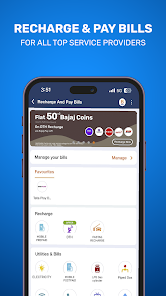
At the same time, the integration of services such as an insurance app within these platforms has expanded their usefulness. Instead of using separate systems, users can now manage premium payments alongside other financial obligations. This shift highlights how digital ecosystems are becoming more unified, reducing complexity in financial management.
This article explores how new developments in bill payment applications are improving convenience while maintaining efficiency and control for users.
Evolution of Bill Payment Apps
From Manual Payments to Digital Solutions
Earlier, bill payment required physical visits, long queues, and manual record-keeping. The introduction of digital platforms transformed this process by enabling online transactions. Today, a bill payment app offers a streamlined experience where users can complete multiple payments in a single interface.
Rise of Multi-Service Platforms
Modern applications have expanded beyond basic bill payment functions. They now include services like mobile recharges, subscription management, and even features similar to an insurance app. This evolution reduces the need for multiple tools, saving time and effort for users.
Key Innovations Enhancing Payment Convenience
Automated Payments and Scheduling
One of the most impactful innovations is the ability to automate recurring payments. Users can schedule electricity, water, or subscription payments in advance. This feature ensures that bills are paid on time without constant reminders.
Automated systems also reduce the risk of late fees, helping users maintain better financial discipline.
Unified Dashboard for All Payments
A centralized dashboard allows users to view all pending and completed transactions in one place. This feature simplifies financial tracking and provides clarity on spending patterns.
With the addition of insurance app functionalities, users can also monitor premium due dates alongside regular bills, creating a more organized system.
Smart Notifications and Alerts
Timely reminders play a crucial role in improving convenience. Advanced bill payment apps now use intelligent notification systems that alert users about upcoming due dates, failed transactions, or successful payments.
These notifications reduce the chances of missed payments and provide real-time updates, enhancing user confidence in the platform.
Security Improvements in Digital Payments
Advanced Authentication Methods
Security remains a primary concern in digital transactions. Modern apps incorporate multi-layer authentication processes such as biometric verification and one-time passwords.
These measures ensure that only authorized users can access sensitive financial data.
Encrypted Transactions
Encryption technology protects user information during transactions. This ensures that payment details remain secure, reducing the risk of unauthorized access.
As bill payment apps integrate features similar to an insurance app, maintaining high security standards becomes even more important due to the sensitive nature of financial and policy-related data.
Integration with Financial Services
Combining Payments and Financial Management
A significant innovation is the integration of multiple financial services into a single platform. Users can now manage savings, track expenses, and complete bill payment without switching between different applications.
Insurance Payment Integration
The addition of insurance app capabilities allows users to pay premiums, check policy details, and receive renewal reminders within the same interface. This integration simplifies long-term financial planning and ensures that important payments are never missed.
By combining these services, users experience a more cohesive financial management system.
User Experience Enhancements
Simplified Interface Design
Modern applications focus on clean and simple interfaces. Easy navigation ensures that users of all experience levels can complete transactions without confusion.
A well-designed bill payment app reduces the number of steps required to complete a payment, saving time and improving efficiency.
Personalization Features
Personalized dashboards and payment suggestions are becoming common. These features adapt to user behavior, highlighting frequently used services and recurring payments.
Such customization enhances convenience by reducing the need to search for common transactions repeatedly.
Role of Data and Analytics
Spending Insights
Data analytics helps users understand their spending habits. Detailed reports show how much is spent on utilities, subscriptions, and other categories.
This information allows users to make informed financial decisions and manage their budgets effectively.
Predictive Payment Suggestions
Some platforms use predictive systems to suggest upcoming payments based on past behavior. For example, if a user regularly pays a utility bill at a certain time, the app may prompt them in advance.
This proactive approach further simplifies the bill payment process.
Accessibility and Inclusivity
Multi-Device Compatibility
Bill payment apps are now accessible across various devices, including smartphones, tablets, and desktops. This flexibility ensures that users can manage payments anytime and anywhere.
Language and Regional Support
To reach a broader audience, many platforms offer multiple language options. This feature makes digital payments accessible to users from diverse backgrounds, increasing adoption rates.
Future Trends in Bill Payment Apps
Voice-Based Payments
Voice commands are emerging as a new way to complete transactions. Users can initiate bill payment through simple voice instructions, making the process even more convenient.
AI-Driven Assistance
Artificial intelligence is expected to play a larger role in guiding users through payment processes. AI-based assistants can provide recommendations, resolve queries, and ensure smooth transactions.
Deeper Integration with Services
Future developments may further combine bill payment and insurance app features, creating a single platform for all financial needs. This level of integration will continue to reduce complexity and improve user experience.
Challenges and Considerations
Data Privacy Concerns
As apps handle sensitive information, maintaining data privacy is critical. Developers must ensure strict compliance with security standards to protect user data.
Dependence on Internet Connectivity
Digital payments rely heavily on internet access. In areas with limited connectivity, users may face challenges in completing transactions.
Addressing these issues will be essential for wider adoption and improved reliability.
Conclusion
Innovations in bill payment app technology have significantly improved the way people manage their financial responsibilities. Features such as automation, unified dashboards, and enhanced security have made bill payment more efficient and reliable.
The integration of services similar to an insurance app further expands the functionality of these platforms, allowing users to handle multiple financial tasks in one place. This combination simplifies financial management and reduces the need for separate tools.
As technology continues to evolve, bill payment systems are expected to become even more intuitive and accessible. With ongoing improvements, users can look forward to a seamless experience that prioritizes convenience, security, and efficiency in every transaction.
Leave a Reply